
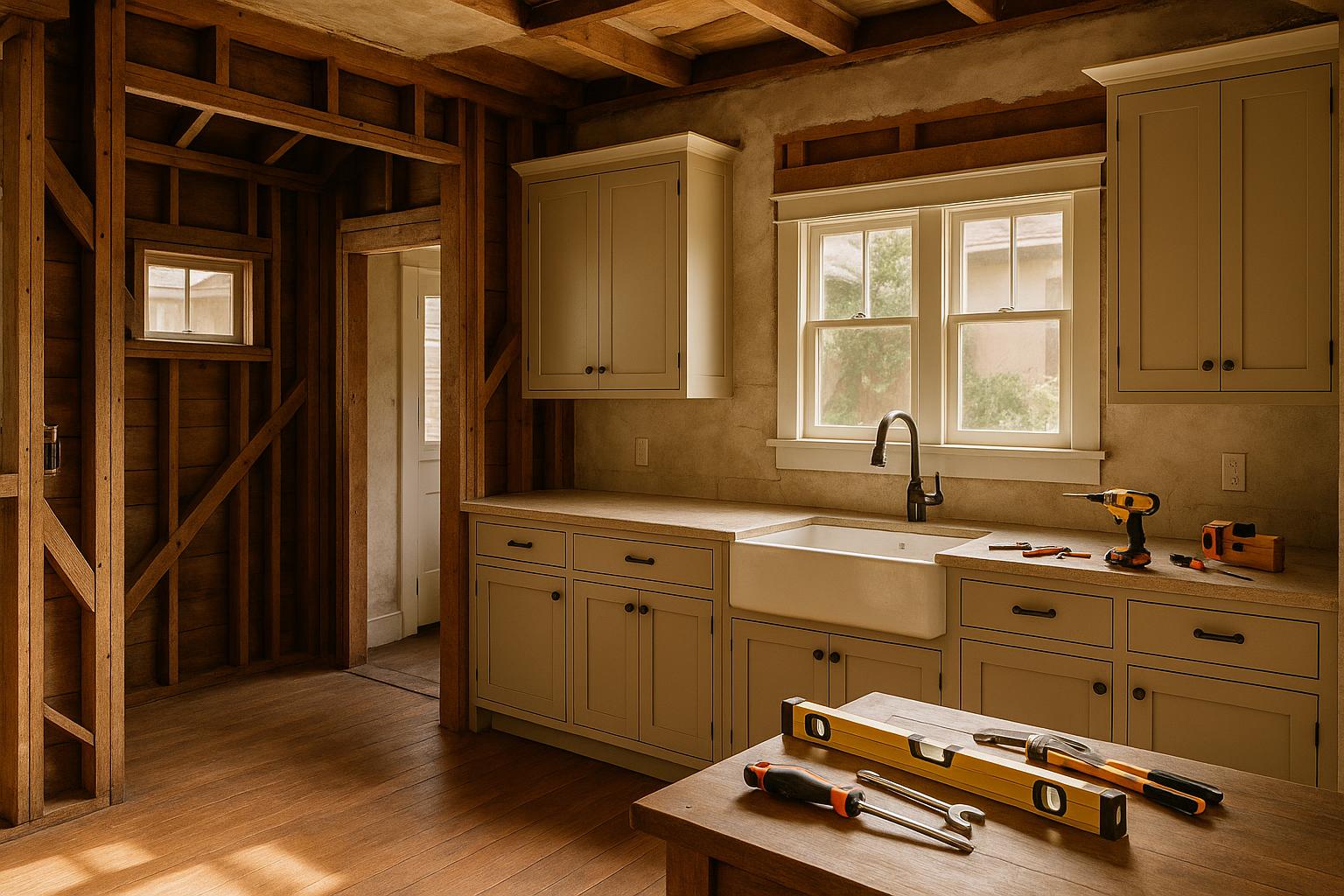
The Reality of Remodeling an Older San Diego Home
San Diego is full of homes with character. From the 1920s Spanish-style bungalows in North Park to the mid-century ranches scattered across Mission Hills and the post-war cottages in Pacific Beach, older homes are a huge part of what makes this city's neighborhoods so appealing. But when it comes time to remodel, that character can come with complications.
If you own a home built before 1980 and you're planning a renovation, you're not dealing with the same straightforward process as someone updating a tract home from 2005. There are structural quirks, outdated systems, and hidden surprises behind nearly every wall. The good news is that with the right planning, remodeling an older home can be one of the most rewarding investments you make.
Here's what we've learned from years of working on San Diego's older housing stock—and what you should think about before swinging a hammer.
Expect the Unexpected Behind the Walls
This is the number one reality check for anyone remodeling a home that's 50 or more years old. Once demolition begins, you're likely to find things that weren't in the original plan. Common discoveries include:
- Knob-and-tube or aluminum wiring that doesn't meet current electrical codes
- Galvanized steel or even lead pipes that need to be replaced
- Asbestos in insulation, flooring, or popcorn ceilings—especially in homes built before 1980
- Termite damage or dry rot hidden behind plaster walls or under original hardwood floors
- Unpermitted additions from previous owners that weren't built to code
None of these are reasons to panic, but they are reasons to build a contingency budget. We typically recommend setting aside 10 to 20 percent of your total remodel budget for unexpected issues. In older homes, that buffer isn't just smart—it's essential.
Permits and Code Compliance Matter More Than You Think
San Diego's permitting process can feel overwhelming, but it exists to protect you. When you remodel an older home, the city may require you to bring certain systems up to current building codes—even if you're only renovating one room. This is called a triggered upgrade, and it catches a lot of homeowners off guard.
For example, if you're doing a major kitchen remodel in a 1950s home, the city might require you to upgrade the electrical panel, add GFCI outlets, or improve ventilation to meet today's standards. If you're adding square footage with a room addition, you may need to address seismic retrofitting or energy efficiency requirements.
A good contractor will walk you through the permitting process before work begins so there are no surprises. We handle permit applications as part of our standard workflow because skipping this step—or getting it wrong—can cost you far more in the long run.
Preserving Character While Modernizing Function
One of the most common requests we hear from homeowners in neighborhoods like Hillcrest, La Jolla, and North Park is some version of this: "I want it to feel modern without losing what makes this house special."
That's a completely reasonable goal, and it's one of the most satisfying design challenges in remodeling. Here are a few ways to strike that balance:
- Refinish original hardwood floors instead of replacing them. Old-growth wood is often higher quality than anything you can buy new.
- Keep original trim, molding, or built-ins where possible and work new design elements around them.
- Update the kitchen layout for modern living while using materials and finishes that complement the home's era—think shaker cabinets in a Craftsman bungalow or clean lines in a mid-century ranch.
- Replace old single-pane windows with energy-efficient models that match the original style and proportions.
The key is intentionality. Every decision should be a conscious choice about what to keep, what to update, and what to replace entirely.
Choosing the Right Contractor for an Older Home
Not every remodeling contractor has experience with older construction. The skills needed to work with plaster walls, original framing, and outdated mechanical systems are different from those needed for new construction or cosmetic updates. When you're interviewing contractors, ask these questions:
- Have you worked on homes from this era before? Can I see examples?
- How do you handle unexpected discoveries during demolition?
- Do you manage the permitting process, or is that on me?
- How do you communicate changes to the scope or budget during the project?
The answers will tell you a lot. A contractor who gets nervous when you mention plaster walls or knob-and-tube wiring probably isn't the right fit. You want someone who treats those challenges as routine—because for an experienced remodeler, they are.
The Payoff Is Worth the Planning
Remodeling an older home in San Diego takes more upfront planning than renovating a newer property. There are more variables, more potential surprises, and more decisions to make about preserving versus replacing. But the payoff is a home that has something no new build can replicate: genuine character, solid bones, and a connection to the neighborhood's history.
When the planning is thorough and the communication is clear, the process doesn't have to be stressful. It can actually be exciting to watch a tired kitchen come back to life or see a cramped bathroom transformed into something that finally works for your family—all while keeping the soul of the house intact.
Ready to Talk About Your Older Home?
If you're thinking about remodeling a home built before 1980 anywhere in San Diego County—whether it's a Spanish Colonial in Chula Vista or a beach cottage in Pacific Beach—we'd love to hear about your project. At Walnut Street Contractors, we've spent years working on homes just like yours, and we know how to navigate the surprises that come with the territory. Reach out for a straightforward conversation about what's possible, what it costs, and how to get started.